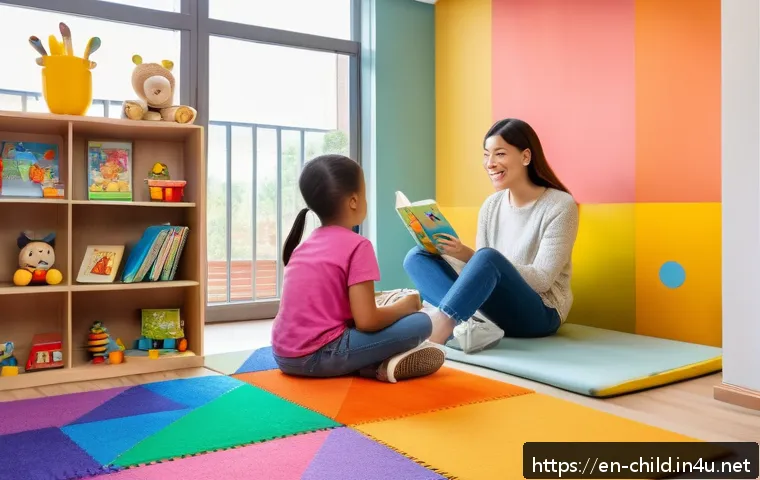
Working as a child counselor demands not only empathy but also continuous growth to effectively support young clients. Enhancing job performance in this field can lead to deeper trust, better communication, and more impactful outcomes for children facing emotional or behavioral challenges.
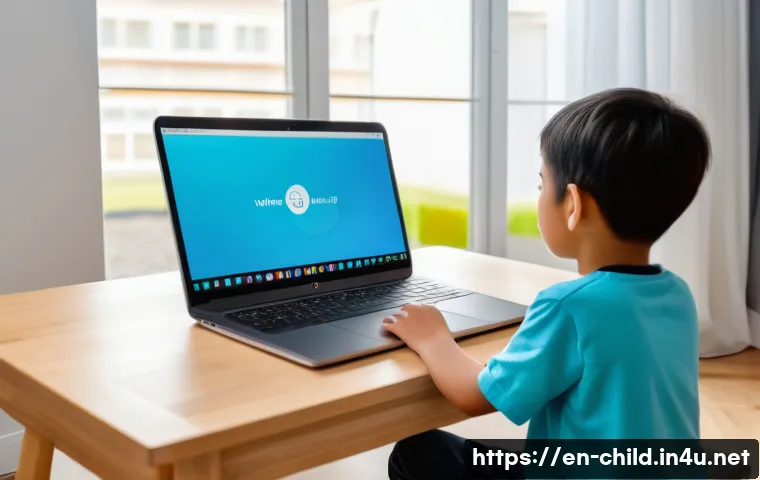
With new therapeutic approaches and technology integration emerging, staying updated is crucial for success. By exploring practical strategies and real-life experiences, counselors can sharpen their skills and boost their confidence.
Let’s dive into the ways child counselors can elevate their professional impact and truly make a difference! We’ll break it down clearly for you ahead.
Building Stronger Connections Through Active Listening
Understanding the Child’s World
When you truly tune into a child’s perspective, it changes everything. Active listening isn’t just about hearing words; it’s about catching emotions behind those words.
I’ve found that when I slow down and give kids my full attention, they open up more easily. This creates a safe space where children feel valued and understood.
It’s amazing how much deeper conversations go when you reflect their feelings back instead of jumping to conclusions or solutions too quickly. Plus, picking up on subtle cues like tone and body language often reveals what’s really going on beneath the surface.
Techniques to Enhance Engagement
Keeping a child engaged during counseling sessions can be challenging, especially with younger clients. I’ve experimented with various techniques like mirroring their expressions or using simple affirmations like “I see you’re feeling upset.” It helps build rapport and shows empathy in a way that feels genuine, not forced.
Another trick is to ask open-ended questions that invite storytelling rather than yes/no answers. For example, “Can you tell me more about what happened at school today?” encourages kids to share details and feelings freely.
These small shifts in approach make a huge difference in building trust.
Handling Resistance with Patience
Not every child will be ready to open up right away, and that’s okay. From experience, pushing too hard often backfires. Instead, I’ve learned to respect a child’s pace and offer gentle encouragement.
Sometimes, just sitting quietly with them or engaging in a calming activity together lays the groundwork for future dialogue. Patience here is key — it shows the child that you’re reliable and won’t give up on them, which can be incredibly reassuring for kids who have experienced trauma or mistrust.
Integrating Technology for Enhanced Therapeutic Support
Using Digital Tools to Track Progress
Modern technology offers powerful ways to monitor a child’s emotional and behavioral changes over time. I’ve started using apps designed for counselors that allow me to log session notes and track goals more efficiently.
This not only keeps everything organized but also helps identify patterns that might otherwise be missed. For example, mood tracking apps enable children to visually express how they’re feeling between sessions, giving me valuable insight into their daily experiences.
These tools complement traditional methods and make data-driven decisions easier.
Virtual Sessions: Expanding Accessibility
The rise of teletherapy has been a game changer, especially for families facing transportation or scheduling challenges. Conducting virtual sessions requires some adjustment, but I’ve found that with the right setup, it can be just as effective as in-person meetings.
It demands clear communication and ensuring the child’s environment is distraction-free. Personally, I make sure to use engaging digital activities during these sessions to keep the child’s attention.
This flexibility has opened doors to support more kids who might not have otherwise received consistent counseling.
Balancing Screen Time and Real Interaction
While technology is a helpful tool, it’s crucial not to let screens dominate the therapeutic process. I always balance digital interventions with face-to-face interaction and hands-on activities.
Kids benefit enormously from play therapy, art, and physical movement, which can’t be fully replicated online. Finding this balance is something I continually refine based on the child’s needs and preferences.
The goal is to use tech as a supplement, not a replacement, ensuring therapy remains warm and human-centered.
Continuing Education and Skill Development
Staying Current with Research and Techniques
The field of child counseling evolves rapidly, so keeping up with new research is essential. I make it a habit to attend workshops, webinars, and professional conferences regularly.
These experiences not only update my knowledge but also inspire fresh ideas that I can apply immediately. For instance, recent advances in trauma-informed care have shifted how I approach children with adverse experiences, emphasizing safety and empowerment.
Continuous learning also boosts my confidence and credibility, which positively impacts how children and families perceive my expertise.
Peer Collaboration and Supervision
No one should navigate the complexities of child counseling alone. Collaborating with peers through case consultations or supervision sessions has been invaluable for me.
It provides a space to discuss challenging cases, exchange advice, and receive feedback from seasoned professionals. This support network not only reduces burnout but also enhances the quality of care I provide.
When I share experiences with colleagues, I often discover alternative strategies I hadn’t considered before, making my interventions more effective.
Personal Reflection and Self-Care
Counseling can be emotionally taxing, so prioritizing self-care is non-negotiable. I’ve learned that reflecting on my sessions helps me process emotions and avoid compassion fatigue.
Journaling, mindfulness, and even casual conversations with trusted friends help me stay grounded. When I’m mentally and emotionally well, my interactions with children are more empathetic and focused.
Self-care isn’t just about me—it directly influences the quality of support I offer to my young clients.
Effective Communication Strategies for Diverse Needs
Adapting Language to Developmental Levels
Children’s ability to understand and express themselves varies widely depending on their age and developmental stage. I always tailor my language accordingly, simplifying complex concepts or using metaphors and stories that resonate with their experiences.
For younger kids, I might use puppets or drawings to explain feelings. For older children, more direct conversations about emotions and coping strategies work better.
This adaptability ensures that the child truly grasps the message rather than just nodding along.
Engaging Families as Partners
A child’s environment extends beyond the counseling room, so involving families is crucial for lasting progress. I prioritize clear, compassionate communication with parents or guardians to keep them informed and engaged.
Sharing strategies they can use at home creates consistency and reinforces therapeutic goals. I’ve noticed that when families feel supported and understood, they become active collaborators rather than passive observers, which greatly benefits the child’s development.
Managing Cultural Sensitivity and Inclusivity
Counseling children from diverse cultural backgrounds requires sensitivity and respect. I make it a point to educate myself about the child’s cultural context and ask open questions to understand their unique worldview.
Being mindful of cultural norms, values, and potential stigmas around mental health helps me build trust and avoid misunderstandings. This approach not only enriches the counseling process but also promotes inclusivity and equity in care.
Practical Tools and Activities to Foster Emotional Expression
Creative Arts as a Therapeutic Medium
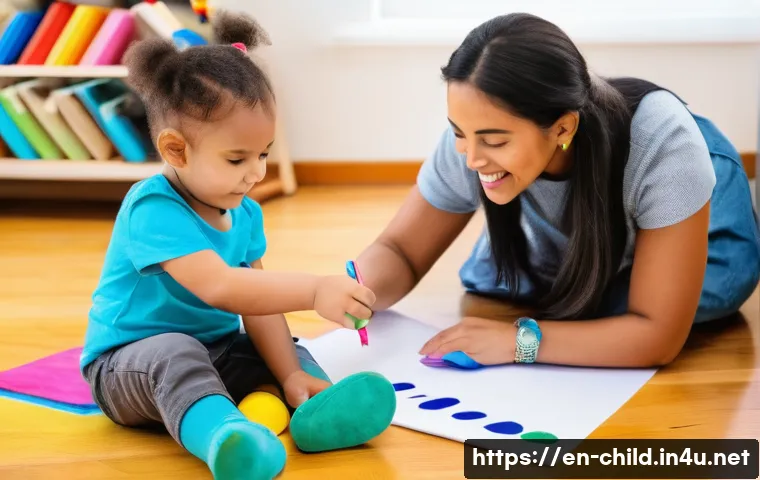
Art, music, and play therapy are fantastic ways for children to express feelings they can’t easily put into words. I often incorporate drawing or storytelling exercises into sessions, which can reveal hidden emotions and thoughts.
For example, asking a child to draw their “safe place” often opens up conversations about what makes them feel secure or anxious. These creative outlets make therapy feel less intimidating and more engaging, encouraging children to participate actively.
Mindfulness and Relaxation Techniques
Teaching simple mindfulness exercises has been a powerful addition to my toolkit. Techniques like deep breathing, guided imagery, or progressive muscle relaxation help children manage stress and stay present.
I’ve noticed that kids who practice these regularly report feeling calmer and more in control of their emotions. Integrating these into sessions also equips children with lifelong skills to handle challenges beyond therapy.
Structured Behavioral Interventions
For children struggling with behavioral issues, structured interventions like reward systems or social skills training can be very effective. I customize these plans based on each child’s specific needs and strengths, ensuring they’re achievable and motivating.
Consistency is key, so I work closely with parents and teachers to maintain these strategies across settings. Over time, these interventions can lead to significant improvements in behavior and self-esteem.
Measuring and Reflecting on Counseling Effectiveness
Using Assessment Tools for Insight
Regular assessments help track a child’s progress and identify areas needing adjustment. I use a combination of standardized tests and informal check-ins to gauge emotional, social, and cognitive development.
This data-driven approach ensures that interventions remain relevant and goal-oriented. It also provides tangible evidence of improvement, which can be encouraging for both the child and their family.
Incorporating Feedback from Children and Families
I actively seek feedback to understand how children and their families perceive the counseling process. Simple questions like “What helps you most during our sessions?” or “Is there anything you wish we did differently?” provide valuable insights.
This openness creates a collaborative atmosphere and empowers clients to take ownership of their healing journey.
Adjusting Approaches Based on Outcomes
Counseling is rarely linear, so flexibility is essential. When certain methods don’t produce the desired results, I reassess and pivot strategies accordingly.
This adaptive mindset keeps therapy dynamic and responsive to the child’s evolving needs. I’ve found that being willing to change course when necessary ultimately leads to better outcomes and stronger therapeutic alliances.
| Strategy | Benefits | Implementation Tips |
|---|---|---|
| Active Listening | Builds trust, uncovers emotions | Focus fully, reflect feelings, observe body language |
| Technology Integration | Improves tracking, expands access | Use mood apps, offer virtual sessions, balance screen time |
| Continuing Education | Enhances skills, updates knowledge | Attend workshops, seek supervision, self-reflect |
| Family Involvement | Ensures consistency, strengthens support | Communicate clearly, share strategies, respect cultural values |
| Creative Therapies | Encourages expression, reduces anxiety | Incorporate art, music, storytelling |
| Mindfulness Techniques | Reduces stress, builds coping skills | Teach breathing exercises, guided imagery |
| Behavioral Interventions | Improves conduct, boosts confidence | Set clear goals, use rewards, coordinate with caregivers |
| Outcome Measurement | Tracks progress, informs adjustments | Use assessments, gather feedback, adapt plans |
Closing Thoughts
Building meaningful connections through active listening and thoughtful communication is at the heart of effective child counseling. Embracing technology, ongoing education, and creative approaches enhances this journey. Ultimately, patience and empathy create a supportive environment where children feel safe to express themselves and grow. These strategies together pave the way for deeper understanding and lasting positive impact.
Useful Information to Keep in Mind
1. Active listening goes beyond hearing words; it involves tuning into emotions and nonverbal cues for a fuller understanding.
2. Technology, when balanced well, can extend access to therapy and provide valuable tools for tracking progress.
3. Continuous learning and peer support strengthen counseling skills and prevent burnout.
4. Engaging families as partners ensures consistency and reinforces therapeutic goals outside sessions.
5. Creative and mindfulness techniques empower children to express emotions and manage stress effectively.
Key Takeaways
Effective child counseling relies on adapting communication to each child’s needs and developmental level. Establishing trust through active listening and patience is essential, especially when facing resistance. Integrating technology thoughtfully enhances both accessibility and insight but should never replace personal interaction. Ongoing education and collaboration among professionals improve the quality of care. Finally, involving families and respecting cultural differences foster a supportive, inclusive environment that promotes healing and growth.
Frequently Asked Questions (FAQ) 📖
Q: How can child counselors stay updated with the latest therapeutic approaches and tools?
A: Staying current requires a mix of ongoing education and hands-on learning. Attending workshops, webinars, and professional conferences tailored to child psychology can provide fresh insights and techniques.
Subscribing to reputable journals and joining professional networks also helps counselors exchange ideas and learn about new technologies or methods. From my experience, setting aside dedicated time each week to read recent studies or try out new tools has made a huge difference in how confidently I approach sessions.
Q: What practical strategies can improve communication with children facing emotional challenges?
A: Effective communication with children often hinges on building trust and creating a safe, non-judgmental space. Using age-appropriate language, active listening, and validating their feelings encourages openness.
Techniques like play therapy or art can help children express emotions they might not articulate verbally. I’ve found that being patient and flexible—sometimes switching approaches mid-session—helps me connect better, especially when a child seems withdrawn or anxious.
Q: How does continuous professional growth impact the outcomes for young clients?
A: Continuous growth sharpens a counselor’s ability to tailor interventions, making support more personalized and effective. It boosts confidence, which children and parents pick up on, fostering stronger relationships.
Over time, counselors who invest in their development notice improvements in engagement and progress with clients. For example, after learning new trauma-informed care methods, I saw more breakthroughs with kids who previously struggled to trust adults, proving that growth directly enhances impact.