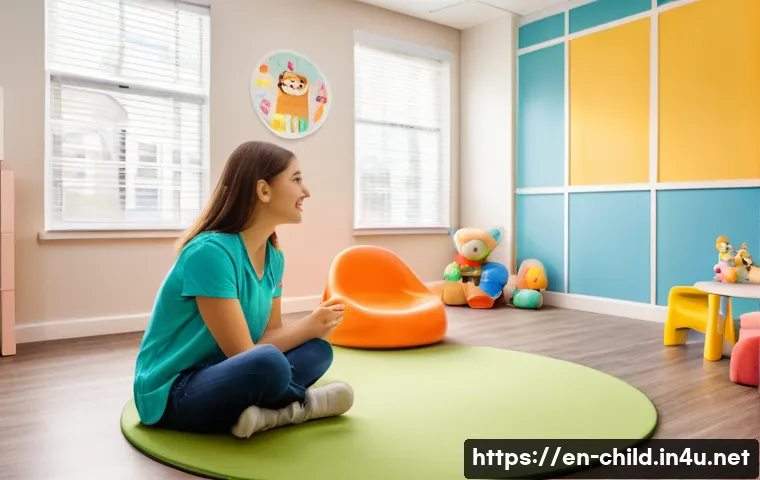
In today’s fast-evolving world, the demand for qualified child counselors is soaring as mental health awareness gains momentum. Securing a Child Counseling Certification isn’t just a credential—it’s a gateway to making a genuine difference in children’s lives while advancing your professional journey.

Whether you’re just starting out or looking to deepen your expertise, understanding why this certification matters can open doors you never imagined. Let’s explore how this credential not only boosts your career but also empowers you to create lasting positive impacts in communities.
Stick around to discover insights that could transform your approach to child counseling.
Unlocking Career Potential Through Child Counseling Certification
Bridging Passion and Professionalism
Earning a child counseling certification is more than just a formal achievement; it acts as a bridge between your passion for helping children and the professionalism required to do so effectively.
From my own journey, I can say that obtaining this certification gave me confidence in my skills and opened doors that were previously closed. It’s one thing to want to support children emotionally, but having a recognized credential shows employers and clients that you possess validated knowledge and practical expertise.
This trust is crucial when working with vulnerable populations.
Enhancing Credibility in a Competitive Field
In the mental health landscape, competition can be intense. Child counseling certification sets you apart by verifying your specialized training and commitment.
I’ve noticed that certified counselors are often preferred in schools, clinics, and private practices because they meet a higher standard of care. This certification reassures parents and institutions that you’re equipped to handle sensitive issues with professionalism.
It’s a clear marker of credibility that can boost your reputation and help you build a sustainable career.
Expanding Job Opportunities and Earnings
The demand for qualified child counselors is on the rise, and certification can directly influence your job prospects and salary. Certified counselors typically have access to a broader range of roles, from clinical settings to educational environments.
In my experience, the certification often leads to higher pay and more stable positions because employers value the assurance of quality it provides. It’s an investment that pays off, allowing you to focus on what matters most—making a difference in children’s lives while supporting your financial goals.
Practical Skills Gained from Certification Programs
Developing Specialized Therapeutic Techniques
One of the most rewarding aspects of certification programs is the hands-on learning of therapeutic approaches tailored specifically for children. Techniques like play therapy, cognitive-behavioral interventions, and trauma-informed care become part of your toolkit.
I found that practicing these skills under supervision during my training made me feel prepared and confident when dealing with real-life cases. These methods are vital because children communicate differently than adults, and knowing how to engage them effectively can transform outcomes.
Understanding Child Development and Psychological Needs
Certification courses dive deep into the stages of child development and the psychological challenges that children face at each phase. This knowledge is essential for identifying issues early and tailoring interventions appropriately.
I remember how enlightening it was to learn about emotional regulation and attachment theory, which changed how I approached my sessions. Without this foundation, it’s easy to misinterpret a child’s behavior or miss signs of distress, but certification ensures you’re equipped with the right insights.
Building Communication and Family Engagement Skills
Effective child counseling isn’t just about the child—it involves family dynamics and collaboration with caregivers. Certification programs emphasize communication strategies that foster trust and cooperation with parents and guardians.
From my own practice, I’ve seen that involving families leads to better support systems for children outside of sessions. Learning how to navigate these relationships sensitively is a game-changer, helping to create a holistic approach to healing and growth.
Meeting Ethical and Legal Standards in Child Counseling
Adhering to Confidentiality and Consent Guidelines
Child counseling certification teaches you the critical importance of confidentiality and informed consent, which can be complex when minors are involved.
I’ve encountered situations where balancing a child’s privacy with parental rights required careful judgment. Certification programs prepare you to handle these ethical dilemmas by providing clear frameworks and legal knowledge.
This protects not only the child but also your professional integrity.
Recognizing and Reporting Abuse Responsibly
Another vital component is training on identifying signs of abuse or neglect and understanding mandatory reporting laws. The certification process equips counselors with the skills to respond appropriately and compassionately.
From personal experience, knowing exactly when and how to report concerns has saved children from prolonged harm. This aspect of certification underscores the counselor’s role as a protector and advocate in the child’s life.
Maintaining Professional Boundaries and Self-Care
Certification also emphasizes the importance of maintaining boundaries to avoid burnout and ethical pitfalls. Child counseling can be emotionally taxing, and I learned that setting limits and practicing self-care are necessary to sustain long-term effectiveness.
Programs offer strategies to manage stress and avoid compassion fatigue, which helps counselors stay energized and focused on their mission.
How Certification Impacts Community Well-Being
Creating Safe Spaces for Children to Express Themselves
Certified child counselors contribute to building communities where children feel safe to share their feelings and struggles. I’ve witnessed firsthand how a trusted counselor can become a beacon of hope for kids facing challenges.
This creates ripple effects—children who feel supported are more likely to thrive in school and social settings, positively influencing their surroundings.
Promoting Early Intervention and Prevention
Early detection of emotional or behavioral issues can prevent long-term problems. Certification equips counselors with tools to identify red flags and intervene before issues escalate.
In my practice, this proactive approach has helped families avoid crises and foster healthier development. The community benefits when children receive timely support, reducing the burden on schools and social services.

Supporting Families and Strengthening Networks
Beyond individual counseling, certified professionals often engage with families and community organizations to build support networks. I found that working alongside schools, healthcare providers, and social workers amplifies the positive impact.
This collaborative effort nurtures resilience within communities, empowering children and families to face challenges together.
Choosing the Right Certification Program for You
Evaluating Accreditation and Curriculum Quality
Not all certification programs are created equal, so it’s crucial to select one that is accredited and offers comprehensive training. When I was choosing my program, I prioritized institutions recognized by reputable counseling boards and those with a curriculum grounded in evidence-based practices.
A quality program ensures you receive up-to-date knowledge and practical experience that truly prepares you for the field.
Considering Flexibility and Learning Formats
Life can be busy, so many programs now offer flexible formats including online, hybrid, and in-person options. I took an online program that allowed me to balance work and study, which made a huge difference.
Look for programs that fit your schedule and learning style without compromising the depth of training.
Assessing Support and Career Resources
Beyond coursework, the best certification programs provide mentorship, internship placements, and job search assistance. I benefited greatly from a program that connected me with experienced counselors and helped me network.
These resources can accelerate your career launch and growth, making the certification even more valuable.
Financial and Time Investment Benefits Breakdown
Understanding Costs Versus Long-Term Rewards
The investment of time and money in obtaining a child counseling certification can seem daunting at first. However, the long-term benefits often outweigh initial expenses.
Below is a summary that helped me weigh the pros and cons clearly before committing:
| Aspect | Typical Cost Range | Time Commitment | Potential Benefits |
|---|---|---|---|
| Tuition & Fees | $1,000 – $5,000 | 6 months to 2 years | Validated skills, increased employability |
| Study Materials | $200 – $500 | Flexible | Access to expert knowledge and resources |
| Practical Training/Internship | Often included or additional $500 – $1,500 | 100 – 300 hours | Hands-on experience, professional networking |
| Certification Exam | $100 – $300 | Varies | Official credential, credibility boost |
| Career Advancement | N/A | Ongoing | Higher salary, broader job opportunities |
Maximizing Return on Investment
To get the most from your certification, plan your education strategically. I recommend researching scholarships, employer tuition assistance, and part-time study options to reduce financial strain.
Also, take full advantage of mentorship and networking opportunities within the program. These steps helped me accelerate career growth and recover my investment faster than I expected.
Balancing Certification with Personal Responsibilities
Pursuing certification while managing work and family commitments can be challenging. I found that setting realistic goals, creating a study schedule, and seeking support from peers made a huge difference.
Remember, the certification is a marathon, not a sprint. Staying patient and consistent will pay off in the long run.
Closing Thoughts
Obtaining a child counseling certification is a meaningful step that blends passion with professional credibility. It equips you with essential skills and ethical guidance to support children effectively. From personal experience, this journey not only enhances your career prospects but also deepens your impact on young lives. Embrace the process with patience and dedication, knowing it leads to lasting fulfillment and growth.
Helpful Information to Keep in Mind
1. Certification programs vary widely—choose one accredited and aligned with your career goals.
2. Flexible learning options like online courses can help balance study with daily responsibilities.
3. Practical training and internships provide invaluable real-world experience and networking opportunities.
4. Understanding ethical and legal standards protects both the child and your professional integrity.
5. Investing time and money thoughtfully maximizes long-term career benefits and financial returns.
Key Takeaways
Child counseling certification bridges passion and professionalism, enhancing credibility in a competitive field. It offers specialized skills in therapeutic techniques, child development, and family engagement, all essential for effective counseling. Ethical training ensures adherence to confidentiality and responsible reporting, safeguarding clients and counselors alike. Choosing the right program and managing the financial and time commitment thoughtfully are crucial for success. Ultimately, certification empowers counselors to create safe, supportive environments that benefit children, families, and communities.
Frequently Asked Questions (FAQ) 📖
Q: What are the key benefits of obtaining a Child Counseling Certification?
A: Earning a Child Counseling Certification opens up numerous professional and personal advantages. Firstly, it validates your expertise in addressing the unique emotional and psychological needs of children, which can significantly boost your credibility with employers and clients.
From my experience, having this certification not only increased job opportunities but also helped me gain deeper trust from families and schools I worked with.
Additionally, it equips you with specialized tools and techniques that improve your effectiveness in therapy sessions, leading to better outcomes for children.
Ultimately, it’s a step toward making a meaningful difference in young lives while advancing your counseling career.
Q: How long does it typically take to complete a Child Counseling Certification?
A: The duration varies depending on the program and whether you study full-time or part-time. In my case, a comprehensive certification took about six months, balancing coursework with practical experience.
Some accelerated programs can be completed in as little as three months, while others that include internships or supervised hours might extend to a year.
It’s important to choose a program that fits your schedule but also offers enough depth to prepare you thoroughly. Remember, quality matters more than speed when it comes to mastering skills that impact children’s mental health.
Q: Can I pursue a Child Counseling Certification without a background in psychology or counseling?
A: Yes, many certification programs welcome individuals from diverse educational backgrounds, provided you meet their basic prerequisites. When I started, my degree wasn’t in psychology, but the program’s foundational courses helped me build the necessary knowledge step-by-step.
However, having some familiarity with human development or mental health concepts can make the learning curve smoother. If you’re passionate about supporting children’s well-being, don’t let your background hold you back—there are pathways designed to bring newcomers up to speed while equipping you with essential counseling skills.