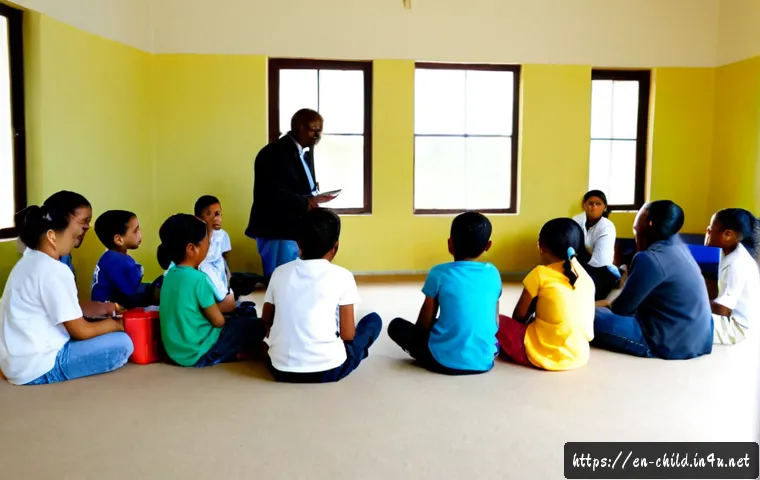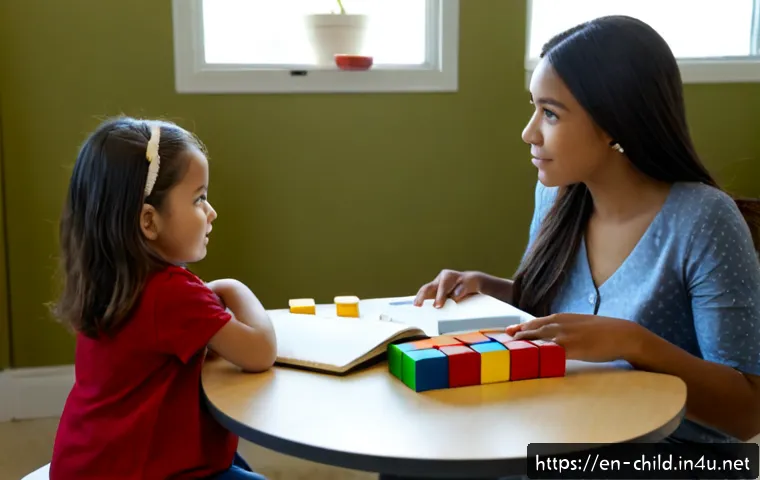
Child counselors need strong trust-building, child-friendly communication, careful observation, safeguarding awareness, and sound ethical judgment. The right training depends on which of those skills you already have and what your intended role legally permits.
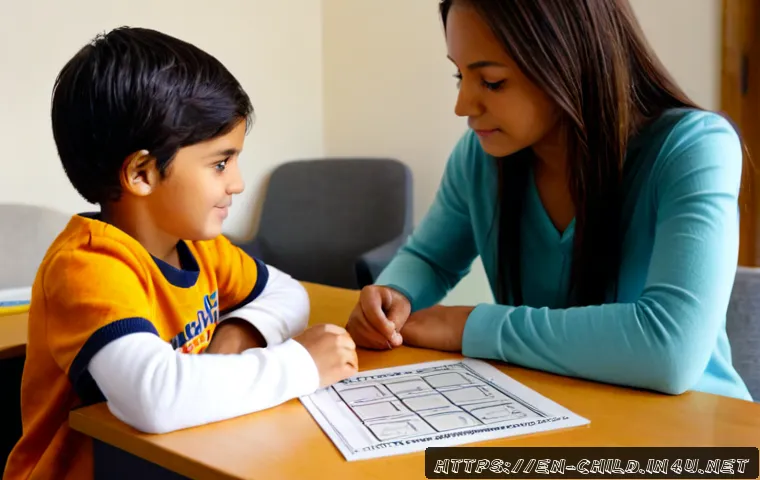
Short courses can help you explore the field and improve foundational skills, while supervised clinical work may be more relevant for responsibilities involving assessment, intervention, or complex risk.
Before paying for a counseling certificate, degree pathway, or clinical supervision, compare its accreditation, supervised-practice component, safeguarding content, and total commitment.
A good choice should strengthen your actual skill gap rather than simply add another credential.
At a Glance
- Core skills include emotional safety, age-appropriate communication, observation, and respectful caregiver collaboration.
- Clinical skills such as assessment, intervention planning, and complex risk decisions usually need formal training and supervision.
- Requirements vary by location and role, so check local licensing, registration, employer, and safeguarding rules before enrolling.
| Development Option | Cost Range | Time Commitment | Oversight | Best Used For |
|---|---|---|---|---|
| Self-study and introductory learning | Often the lowest initial cost; provider-dependent | Flexible | Usually independent | Exploring child counseling and building basic communication awareness |
| Certificate program | Varies by provider and included support | Structured, provider-dependent | May include tutors, feedback, or limited practice | Focused skill development and role-specific learning |
| Degree or credential pathway | Compare full program costs and requirements | Longer-term | Formal academic and placement structure may apply | Roles requiring recognized education or a regulated pathway |
| Clinical supervision | Compare session format, frequency, and total cost | Ongoing | Direct professional feedback | Reflecting on real practice, boundaries, risk, and case decisions |
The Core Abilities That Make Child Counseling Effective
Effective child-focused support starts with relationship skills, not a perfect script. A child may show feelings through behavior, play, drawings, routines, or silence rather than direct verbal descriptions. The counselor’s task is to stay curious, calm, and responsive without assuming that one behavior has only one meaning.
Building emotional safety and trust without forcing disclosure
Children need a sense of predictability before they can engage openly. Explain what will happen in simple language, offer appropriate choices, and avoid pressuring a child to talk before they are ready. Trust grows when adults keep a steady tone, follow through on reasonable commitments, and respect the child’s pace. Safety does not mean promising secrecy; it means being honest about what can and cannot remain private.
Listening for behavior, play, and nonverbal communication
Observation is a central counseling skill. Notice changes in energy, interaction, play themes, routines, and comfort with different activities. Use observations as gentle openings rather than conclusions: “I noticed the drawing became darker here. Would you like to tell me about that?” A child’s behavior can be meaningful, but it should not be treated as a diagnosis or proof of a particular experience.
Explaining feelings and coping tools in child-friendly language
Child counselors need to translate abstract ideas into language a child can understand. Short sentences, visual choices, stories, and simple activities can make emotional vocabulary more accessible. A coping tool should fit the child’s developmental stage, communication ability, family context, and cultural background. Avoid presenting any exercise as a guaranteed solution.
Which Skills Need Formal Training, Supervision, or Practice?
Not every useful skill requires the same level of training. Basic helping skills can be practiced through structured learning and feedback, while clinical responsibilities may require a recognized credential pathway, supervised experience, or both.
Foundational communication skills versus clinical intervention skills
Active listening, empathy, clear boundaries, and age-appropriate explanations are foundational skills. They are relevant to school support staff, youth workers, and aspiring counselors. Assessment, treatment planning, crisis decisions, and work with complex presentations are different: these activities may fall within regulated or employer-defined scopes of practice. Check what your role permits before offering services beyond supportive conversation.
When supervised experience becomes more valuable than another short course
A short course can introduce ideas, but it may not show how you apply them under pressure. Clinical supervision becomes especially valuable when you need feedback on documentation, caregiver communication, boundaries, referral decisions, or safeguarding concerns. A qualified supervisor can help you reflect on your work without turning a child’s situation into a checklist.
Comparing self-study, certificates, degree programs, and supervision
Start with the gap you want to close. Self-study may be enough if you are exploring the field or improving everyday communication with children. A certificate program may suit someone seeking a structured introduction to child mental health and counseling skills. A degree or formal credential pathway may be necessary for roles with education, registration, or licensing expectations. Supervision is most useful when it is connected to real practice and clear professional responsibilities.
Ethics, Safeguarding, and Boundaries in Work With Children
Safeguarding is not an optional extra. Child counselors commonly need to follow workplace procedures and local reporting requirements when a child may be at risk. Training should cover both the limits of your role and the steps for seeking timely support.
Knowing the limits of confidentiality
Explain confidentiality in plain language from the start. Children should understand that private conversations are respected, but safety, guardianship, and legal duties can create practical limits. The exact rules differ by location, employer, and professional role. Do not make broad promises such as “I will never tell anyone.”
Recognizing concerns that require escalation or referral
A counselor does not need to manage every concern alone. When there may be a safeguarding issue, a crisis, medical need, or a concern outside your competence, follow the relevant procedure and seek appropriate consultation. Referral is not a failure; it can be the responsible next step when a child needs another type of service.
Communicating appropriately with parents, caregivers, and schools
Children exist within relationships and systems. Caregiver and school communication should be purposeful, respectful, and consistent with confidentiality rules. Share only what is appropriate for the child’s welfare and your role. Be careful not to position yourself as the sole decision-maker when collaboration or escalation is required.
Practical Methods for Developing Child-Focused Counseling Skills
Skill development improves when learning includes practice, reflection, and feedback. Reading alone can build knowledge, but it cannot fully test your ability to listen, explain, document, and maintain boundaries in a live conversation.
Role-play, observation, reflective practice, and feedback
Role-play can help you practice introductions, consent conversations, emotion labeling, and difficult caregiver questions. Observation can show how experienced practitioners structure sessions and create predictability. Afterward, use reflective questions: What did I notice? What did I assume? What would I do differently? Supervision can turn those questions into practical professional growth.
Using play-based and creative activities responsibly

Play, drawing, storytelling, and simple creative activities can support communication. They should be used as invitations, not as tools for extracting disclosure or making unsupported interpretations. Choose activities that fit the child’s abilities and comfort. If a method is presented as a specialist intervention, check whether additional training or supervised practice is expected before using it.
Documenting sessions and tracking goals without reducing a child to a checklist
Clear documentation supports continuity and accountability. Record relevant observations, agreed actions, concerns, and any steps taken under safeguarding procedures. Keep language factual and avoid labels that go beyond your evidence or role. Goals should remain flexible, child-centered, and reviewed in context rather than treated as a scorecard.
Skills Priorities by Work Setting and Child Needs
The most useful skill set changes with the setting. Your training choice should reflect the type of contact you expect to have, the level of responsibility involved, and the support available around you.
Schools and youth programs: collaboration and brief support
School and youth settings often place a high value on rapport, brief supportive conversations, practical communication, and coordination with established safeguarding processes. Counselors and support staff may need to work alongside teachers, caregivers, and other professionals. Clear role boundaries matter because supportive school-based work is not automatically the same as independent clinical practice.
Community or private practice: assessment, care planning, and referrals
Community and private settings may involve more responsibility for intake, documentation, care planning, referral pathways, and practice-management tools. Before pursuing this route, verify the local rules on licensing, registration, insurance, and permitted scope of practice. A polished website or online certificate does not establish authority to provide every type of counseling service.
Trauma-sensitive work: pacing, predictability, and specialist consultation
Trauma-sensitive practice requires particular care with pacing, predictability, and emotional safety. Do not push for detailed disclosure or assume that distress has a single cause. When concerns are complex, specialist consultation and appropriate referral may be more valuable than trying to solve the situation with a general counseling technique.
Choosing Training and Supervision: A Practical Comparison Summary
Before enrolling, compare program accreditation, supervised practice, safeguarding content, assessment methods, and total costs. Ask whether the course clearly states what it prepares you to do and what it does not. Check whether the trainer or supervisor’s experience fits your intended setting, such as schools, youth programs, or clinical services. Be cautious of programs that promise rapid qualification for independent practice without explaining local credential, registration, or supervision requirements.
A useful next step is to list your current role, your intended role, and the decisions you expect to make with children. Then compare training providers based on those practical needs rather than marketing language. For official requirements and detailed conditions, review the relevant regulator, employer, training provider, or professional body information directly.
Closing Thoughts
The strongest child counselors combine warmth with structure. They listen carefully, adapt their communication, understand their limits, and know when to seek supervision or refer onward. Training is most valuable when it matches the responsibilities you are preparing to take on. Build foundational skills steadily, then invest in accredited learning or clinical supervision when your role requires deeper competence and oversight.
Useful Information to Keep in Mind
First: A child may communicate through play, behavior, drawings, or routines rather than direct speech.
Second: Confidentiality has limits when safety, guardianship, or legal duties are involved.
Third: Training requirements can differ by country, state, province, employer, and professional role.
Fourth: A referral or consultation can be the appropriate response when needs fall outside your scope.
Important Notes
This is general educational guidance, not a statement of licensing, legal, clinical, or safeguarding requirements in any specific location. The required degree, certificate, background check, supervised hours, registration status, and permitted scope of practice must be confirmed with local authorities, employers, and relevant professional bodies. A course or online certificate should not be assumed to qualify someone for independent clinical practice without verification.
Frequently Asked Questions
Q1. What qualifications do I need to become a child counselor?
A1. Requirements vary by location, employer, and role. Some positions may emphasize relevant education, safeguarding procedures, and supervised experience, while regulated clinical roles may have additional licensing or registration requirements. Check the rules that apply where you plan to work.
Q2. Is an online child counseling certificate enough to work with children?
A2. An online certificate may support introductory learning or focused skill development, but it does not automatically qualify someone for every role or for independent clinical practice. Review the program’s learning outcomes, supervision options, accreditation information, and local scope-of-practice rules.
Q3. How do I choose affordable, credible training or clinical supervision for child counseling?
A3. Compare the full cost, learning format, safeguarding content, feedback opportunities, supervised-practice options, and relevance to your intended role. Ask what the training qualifies you to do, what it does not cover, and whether further supervision or credential steps may be needed.