As a seasoned English blog influencer, I’ve seen firsthand how vital understanding child counseling theory and practice has become in our fast-paced world.
It’s not just about addressing immediate concerns anymore; it’s about equipping our kids with lifelong resilience and emotional intelligence for a future that’s constantly evolving.
With rising concerns about the digital age’s impact on young minds, from increased anxiety and depression linked to social media use to the challenges of screen time, pediatric mental health has rightfully stepped into the spotlight.
We’re talking about a significant percentage of children experiencing mental health difficulties, with half of all mental health issues often developing before age 14.
The good news? The field of child counseling is innovating at an incredible pace! We’re moving beyond traditional methods, embracing exciting new approaches like online therapy platforms that offer unparalleled accessibility and convenience, integrating virtual reality (VR) for immersive experiences, and even AI-driven tools for personalized interventions.
Techniques like play therapy, cognitive behavioral therapy (CBT), and dialectical behavior therapy (DBT) are proving incredibly effective, helping children express complex emotions and develop robust coping skills.
What’s more, the crucial role of parental involvement is more recognized than ever, with studies consistently showing that active participation from caregivers leads to better treatment outcomes and stronger family bonds.
It’s truly a collaborative journey where parents become empowered partners in their child’s healing. If you’re a parent, educator, or simply someone passionate about nurturing the next generation, you’re likely wondering how to navigate this complex yet hopeful landscape.
How can we ensure our children receive the tailored support they need to thrive, build strong foundations for their emotional well-being, and face future challenges with confidence?
Well, you’re in the right place! Let’s explore this thoroughly, shall we?
Navigating the Emotional Landscape of Our Little Ones

As a parent, I’ve often found myself grappling with the sheer complexity of our children’s inner worlds. It’s like they’re living in a kaleidoscope of emotions, shifting and changing at a moment’s notice. What I’ve come to understand, and what I deeply believe, is that truly understanding child psychology isn’t just for the experts; it’s a superpower for us all. It’s about seeing beyond the tantrum, the quiet withdrawal, or the sudden outburst, and recognizing the underlying feelings and needs. In my own journey, I’ve seen firsthand how equipping ourselves with even a basic grasp of developmental stages and emotional milestones can transform daily interactions from frustrating battles into meaningful connections. We’re not just trying to fix problems; we’re building a foundation of emotional literacy that will serve them for a lifetime. Think about it: our kids are growing up in an increasingly digital world, facing pressures we never imagined. From the subtle anxieties fueled by social media to the constant demands of academic life, their emotional resilience is constantly being tested. It’s a huge shift from how we grew up, and it requires a different kind of parenting, one that’s deeply attuned to their emotional well-being. This isn’t just about making them “happy” all the time; it’s about giving them the tools to navigate disappointment, build self-worth, and understand that their feelings are valid, even when they’re difficult. I genuinely believe that every parent, educator, and caregiver can become a more effective advocate for children by tuning into these nuances.
Decoding Developmental Milestones and Emotional Cues
One of the biggest eye-openers for me was realizing just how much our children’s emotional responses are tied to their developmental stage. What might seem like defiance in a toddler could simply be their emerging independence, or a complex emotion they don’t yet have the words for. It’s a bit like learning a new language, isn’t it? When we understand the typical emotional and cognitive milestones, we can better interpret their behavior. For example, a preschooler’s vivid imagination might lead to irrational fears, which, to them, feel absolutely real. My own daughter once insisted a shadow was a monster, and instead of dismissing it, understanding her developmental stage helped me validate her fear and then gently help her explore what shadows really are. On the other hand, a teenager’s mood swings aren’t always just “being a teenager”; they could be grappling with identity, peer pressure, or the onset of more serious anxiety. Paying close attention to subtle shifts in their play, their social interactions, or their sleep patterns can give us invaluable clues. It’s not about being a detective, but about being a compassionate observer, ready to step in with support when needed. It’s truly a journey of continuous learning, and I’ve found that the more I learn, the more empathetic and effective I become as a parent.
Creating a Safe Space for Emotional Expression
The single most important thing we can do for our children’s emotional health is to create an environment where they feel safe to express *any* emotion, without judgment. This isn’t always easy, especially when their emotions trigger our own. But I’ve learned that truly listening, without immediately jumping in to fix or minimize, is a game-changer. Think about it: how often do we hear things like, “Don’t be sad,” or “There’s nothing to cry about”? While well-intentioned, these phrases inadvertently teach children that certain emotions are unwelcome. Instead, I try to acknowledge what they’re feeling: “I can see you’re really frustrated right now,” or “It sounds like you’re feeling very sad about that.” This validation is like a key that unlocks their ability to process and move through difficult feelings. I’ve found that sometimes, just naming the emotion is enough to diffuse its intensity. We also need to teach them healthy coping mechanisms – whether it’s deep breathing, drawing, or talking it out. It’s not about stopping the feeling, but about managing its intensity. For my son, who tends to get overwhelmed, we’ve practiced “turtle time” – a few minutes where he retreats to a quiet spot with a book or a fidget toy. It’s amazing to see how quickly he can regulate himself once he has that tool. Building this emotional vocabulary and these coping strategies from a young age is an investment that pays dividends throughout their entire lives.
The Evolving Landscape of Modern Child Counseling
It’s truly incredible to witness how much the field of child counseling has transformed, especially in recent years. What was once primarily confined to a therapist’s office has now expanded into dynamic, accessible, and incredibly innovative spaces. I remember when finding a specialized child counselor felt like a monumental task, often limited by location or long waiting lists. But today? The options are broader and more tailored than ever before. We’re talking about a paradigm shift, where mental health support for kids is becoming less stigmatized and more integrated into our daily lives. From accessible online platforms that connect families with specialized therapists from the comfort of their home, to the exciting integration of technology like virtual reality, the industry is truly embracing the future. This evolution is vital because our children’s challenges are also evolving. They’re navigating complex digital landscapes, societal pressures, and an unprecedented amount of information. Traditional methods are still incredibly valuable, but these new approaches offer a fresh perspective and, crucially, enhanced accessibility. For busy parents, the convenience of online sessions can be a lifesaver, eliminating travel time and logistical hurdles. It’s about meeting families where they are, both geographically and emotionally. I’ve spoken to so many parents who were hesitant about seeking help, only to find these modern approaches to be incredibly effective and less intimidating for their kids.
Online Therapy: A Gateway to Accessible Support
The rise of online therapy platforms has been a game-changer for so many families, including some I know personally. It eliminates geographical barriers, making specialized child psychologists accessible to those in rural areas or places with limited mental health resources. Plus, for many children, engaging in therapy from their own familiar environment can reduce anxiety and make them more comfortable opening up. I’ve heard stories from parents who’ve found that their children are more engaged during virtual play therapy sessions because they’re surrounded by their own toys and feel less “on the spot.” The flexibility is also a huge benefit; scheduling appointments around school, sports, and other family commitments becomes much more manageable. Of course, it’s not a one-size-fits-all solution, and there are considerations like ensuring a private space and reliable internet connection. However, for a significant number of families, this accessibility has made a profound difference in their ability to get timely and consistent support. It’s transformed the conversation around mental health, making it feel less like a daunting journey and more like a practical, integrated part of holistic child care. I genuinely believe that for many, online therapy is not just a convenience, but a vital lifeline.
Innovating with Technology: VR and AI in Child Mental Health
Beyond traditional screen-based therapy, technology is pushing the boundaries even further. Imagine a child who struggles with social anxiety finding a safe space to practice social interactions through a VR simulation, or a child with ADHD using an AI-driven game that helps improve focus and emotional regulation. These aren’t futuristic fantasies; they’re becoming real, tangible tools in child counseling. Virtual reality, for instance, can create immersive environments where children can confront fears in a controlled setting, or practice coping skills in a way that feels engaging and less threatening than real-life scenarios. I’ve heard about programs using VR to help children with specific phobias, like fear of flying or public speaking, by gradually exposing them to these situations in a virtual world. Artificial intelligence is also being explored to provide personalized interventions, offering tailored exercises or support based on a child’s specific needs and progress. While these technologies are still developing, their potential to revolutionize how we support children’s mental health is immense. It’s about leveraging tools that kids are already familiar with in their daily lives and transforming them into powerful therapeutic aids. It’s exciting to think about how these innovations will continue to evolve and offer even more dynamic and effective solutions for our children.
Understanding Core Therapeutic Approaches for Children
When it comes to child counseling, there isn’t a single magic bullet; instead, there’s a rich tapestry of therapeutic approaches, each designed to meet children where they are. It’s a bit like a well-stocked toolbox – different challenges require different tools. As a parent, I’ve found that knowing a little about the most common methods can empower us to ask better questions and feel more confident in the support our children are receiving. These approaches aren’t just about ‘talking about feelings’; they’re carefully structured methods that leverage children’s unique ways of communicating and learning. From the expressive power of play to the logical restructuring of thoughts, these therapies aim to build resilience, teach coping skills, and foster emotional intelligence. It’s not about changing who our children are, but about equipping them to navigate their world more effectively and confidently. I’ve seen firsthand how a child who struggled to articulate their emotions in words can completely open up during a play therapy session, expressing profound feelings through toys and imaginative scenarios. Similarly, for older children, learning the practical strategies of CBT can be truly transformative, helping them to challenge unhelpful thought patterns and develop healthier responses. It’s a journey that often involves patience and commitment, but the long-term benefits for a child’s well-being are immeasurable.
Play Therapy: The Language of Childhood
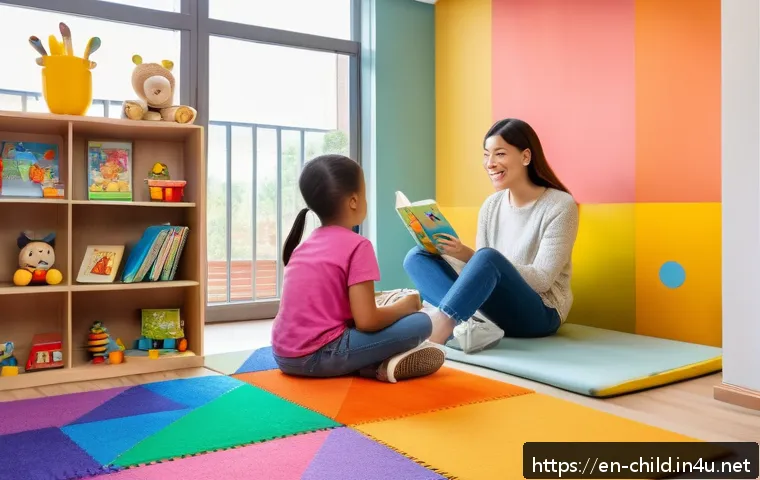
If you’ve ever watched children lost in imaginative play, you’ll understand why play therapy is such a powerful tool. For young children, play isn’t just entertainment; it’s their primary mode of communication and exploration. They might not have the verbal skills to articulate complex feelings, but through dolls, puppets, drawing, or building blocks, they can process experiences, express fears, and work through emotions. A trained play therapist understands this “language.” They create a safe, non-directive environment where children can lead, choosing their own activities and narratives. I recall one instance where a child, after a difficult family transition, consistently drew pictures of a small, lost bird. Through gentle prompts, the therapist helped the child explore the bird’s feelings, which in turn allowed the child to process their own sense of displacement. It’s incredibly insightful to see how children project their inner worlds onto their play. The therapist doesn’t interpret or instruct in a rigid way; instead, they observe, reflect, and sometimes gently guide, helping the child gain insight and develop coping strategies through their own creative expression. It’s a beautiful, natural, and incredibly effective way to help children heal and grow.
Cognitive Behavioral Therapy (CBT) for Younger Minds
While play therapy often resonates more with younger kids, Cognitive Behavioral Therapy (CBT) has proven incredibly effective for school-aged children and adolescents. It’s all about helping them understand the connection between their thoughts, feelings, and behaviors. The core idea is that by learning to identify and challenge unhelpful thought patterns, they can change how they feel and react. For example, a child who consistently thinks, “I’m bad at everything,” might avoid trying new things. CBT helps them recognize this thought, question its validity, and then reframe it into something more realistic, like, “I might not be good at this *yet*, but I can learn.” It’s a very practical, skill-based approach that empowers children to become their own emotional detectives. Therapists use age-appropriate language and activities, often incorporating games, worksheets, or role-playing to teach these concepts. I’ve seen kids learn to identify “worry thoughts” and develop strategies to manage anxiety, or learn to recognize triggers for anger and implement calm-down techniques. It’s truly about giving them a toolkit for life, helping them build resilience and self-awareness that extends far beyond the therapy room. It’s a proactive approach that equips them to handle future challenges with greater confidence and emotional intelligence.
The Indispensable Role of Parental Partnership
When our children are struggling, it’s natural to want to hand them over to an expert and hope they come back “fixed.” But what I’ve learned, both personally and from observing countless families, is that true, lasting change in child counseling is a collaborative journey. The active involvement of parents isn’t just a nice-to-have; it’s absolutely crucial for successful outcomes. Think of it this way: a therapist spends perhaps an hour a week with your child, but you, as the parent, are there for the other 167 hours. You are your child’s primary environment, their most consistent influence, and their biggest source of security. Therefore, incorporating parents into the therapeutic process amplifies its effectiveness exponentially. This isn’t about blaming parents or expecting them to be therapists themselves, but about empowering them to become active partners, learning strategies they can implement at home, and understanding how their own responses can support their child’s progress. It creates a seamless bridge between the therapy room and daily life, ensuring that the skills learned in sessions are reinforced and practiced in real-world scenarios. I can’t stress enough how much a united front between parents and therapists can accelerate a child’s healing and development. It truly shifts the dynamic from an isolated intervention to a holistic family approach, fostering stronger bonds and a more supportive home environment.
Empowering Parents with Practical Tools and Strategies
Parental involvement in child counseling often takes the form of parent coaching or joint sessions, where therapists share insights and practical tools. This might include strategies for effective communication, setting appropriate boundaries, managing challenging behaviors, or fostering emotional regulation at home. For instance, if a child is learning new coping skills for anxiety in therapy, the parent might learn specific phrases or activities they can use to encourage these skills outside of sessions. I’ve personally found workshops and resources on positive discipline and validating emotions to be incredibly helpful in my own parenting journey. These aren’t just abstract concepts; they’re actionable steps that can dramatically improve family dynamics. It could be as simple as learning to reframe a negative statement, or understanding the power of empathetic listening. The therapist acts as a guide, helping parents understand their child’s unique needs and tailor their responses accordingly. This empowerment extends beyond just addressing immediate concerns; it builds a parent’s confidence and competence in nurturing their child’s long-term emotional well-being. It’s like giving parents their own toolkit, specific to their child, that they can use every single day. This collaborative learning makes the therapeutic process much more impactful and sustainable.
Fostering Stronger Family Bonds Through Shared Growth
Beyond specific strategies, parental involvement in therapy often leads to an unexpected, yet deeply rewarding, outcome: stronger family bonds. When parents engage in the process, they gain a deeper understanding of their child’s inner world, their struggles, and their unique strengths. This increased empathy naturally leads to more connected and supportive relationships. For example, a parent who learns about their child’s sensory sensitivities might become more attuned to their environment, making adjustments that reduce stress for the child. This thoughtfulness strengthens trust and makes the child feel truly seen and understood. Joint therapy sessions, where appropriate, can also provide a safe space for families to communicate openly, resolve conflicts, and practice new ways of interacting. It’s a shared journey of growth, not just for the child, but for the entire family unit. I’ve witnessed families emerge from these experiences with a renewed sense of closeness and a much more robust emotional vocabulary to navigate future challenges together. The investment of time and effort in this collaborative approach pays dividends in terms of improved communication, reduced conflict, and a deeper, more resilient family connection. It truly transforms challenges into opportunities for profound growth for everyone involved.
Beyond the Stigma: Embracing Proactive Mental Wellness

For too long, the idea of child counseling carried a heavy stigma, often associated with severe problems or family dysfunction. But what I’ve noticed, and what I’m incredibly passionate about sharing, is that we’re finally moving towards a more enlightened view: one where seeking mental health support for our children is seen not as a sign of failure, but as an act of immense strength and proactive parenting. It’s about nurturing their emotional well-being with the same care and attention we give to their physical health. Just as we take our kids for regular check-ups with a pediatrician, we should consider their emotional and psychological health with similar foresight. In our fast-paced, often overwhelming world, giving our children the tools to understand and manage their emotions is more crucial than ever. We’re talking about building resilience, developing coping mechanisms, and fostering an environment where they feel understood and supported before small challenges escalate into bigger ones. This proactive approach isn’t just about problem-solving; it’s about prevention and empowerment. It’s about creating a generation of emotionally intelligent individuals who are well-equipped to face the complexities of life with confidence and self-awareness. I genuinely believe that shifting this societal perception is one of the most important things we can do for our children’s future.
Recognizing Early Warning Signs and Seeking Support
One of the most important aspects of proactive mental wellness is learning to recognize the early warning signs that our child might be struggling. These aren’t always dramatic or obvious; sometimes, they’re subtle shifts in behavior that, if left unaddressed, can lead to more significant challenges. This could be changes in sleep patterns, appetite, sudden difficulties at school, withdrawal from friends, increased irritability, or expressing persistent worries. As parents, we are our children’s first and most important observers. Trusting our instincts is key. If something feels “off,” it probably is. I recall a time my son, usually boisterous, became unusually quiet and started avoiding his favorite activities. It wasn’t a huge crisis, but it was a clear signal that something was bothering him. Instead of waiting, we initiated a conversation and sought some guidance, which helped him process a minor social conflict before it became a major source of anxiety. Early intervention can make a world of difference, preventing issues from spiraling and helping children develop healthier coping mechanisms sooner. It’s about being attuned, observant, and willing to reach out to a professional for guidance. Remember, seeking support isn’t a weakness; it’s a proactive, loving step to ensure your child’s emotional well-being.
Building Emotional Resilience for a Changing World
In a world that seems to throw new challenges at us constantly, from global events to the ever-present digital landscape, fostering emotional resilience in our children is paramount. This isn’t about making them immune to difficulties, but about equipping them with the internal strength to bounce back from adversity, adapt to change, and manage stress effectively. Child counseling, even for seemingly “minor” issues, plays a crucial role in building this foundation. It helps children develop self-awareness, understand their emotions, and learn healthy coping strategies. These are skills that will serve them throughout their lives, enabling them to navigate setbacks with greater confidence and maintain their well-being in the face of uncertainty. It’s like building an emotional muscle. The more they practice identifying feelings, problem-solving, and reaching out for support, the stronger that muscle becomes. My aim, and I believe the aim of any good parenting, is to raise children who aren’t just intelligent or talented, but who are also emotionally robust, empathetic, and capable of weathering life’s storms. Investing in their emotional education now is the best gift we can give them for a future that will undoubtedly demand adaptability and resilience.
Diverse Approaches to Supporting Child Well-being
The beauty of modern child mental health support is its incredible diversity. There’s no single path to nurturing our children’s emotional well-being, and often, the most effective strategies involve a blend of approaches tailored to a child’s unique personality, age, and specific challenges. Beyond the structured therapies, there are countless ways we can proactively support their development, from mindful practices to fostering creativity and ensuring a healthy lifestyle. What works wonders for one child might not resonate with another, and that’s perfectly normal. It’s about being flexible, observant, and willing to explore various avenues until we find what truly helps our child thrive. I’ve personally experimented with everything from introducing meditation apps to encouraging more outdoor play, and what I’ve consistently found is that a holistic approach yields the best results. We’re not just addressing symptoms; we’re cultivating an environment that promotes overall mental fitness, preparing them not just for challenges, but also for joy, connection, and a deep sense of self-worth. It’s a journey of discovery, and honestly, it can be incredibly rewarding to see our children flourish under this kind of comprehensive care.
Holistic Wellness: Mind, Body, and Spirit
True child well-being extends far beyond just addressing emotional issues; it encompasses their entire being – mind, body, and spirit. This holistic perspective is gaining more traction, and for good reason. Ensuring adequate sleep, a balanced diet, and regular physical activity are foundational pillars of mental health. Think about it: a child who is sleep-deprived or consuming excessive sugar is naturally more prone to irritability and difficulty regulating emotions. Beyond these basics, incorporating practices like mindfulness or yoga, even in age-appropriate ways, can teach children to connect with their bodies, calm their minds, and manage stress. My own family has found simple breathing exercises incredibly helpful during moments of overwhelm. Creative outlets like art, music, or storytelling also play a vital role, offering children non-verbal ways to process emotions and express themselves. These aren’t just fun activities; they are therapeutic in their own right, fostering self-expression and building confidence. It’s about weaving a tapestry of supportive practices into their daily lives that nurture every aspect of who they are, creating a resilient and well-balanced individual ready to face the world. This comprehensive approach recognizes that all facets of a child’s life are interconnected and contribute to their overall emotional health.
The Power of Connection and Community Support
Humans are inherently social creatures, and for children, strong connections are the bedrock of emotional health. Fostering a sense of belonging, both within the family and in wider communities, is incredibly protective. This includes nurturing positive peer relationships, encouraging participation in extracurricular activities, and ensuring they have trusted adults they can turn to beyond their immediate family. I’ve often seen how a child struggling at home can find solace and strength in a supportive sports team or a youth group. These connections provide different perspectives, build social skills, and offer a sense of identity outside of family dynamics. Furthermore, parents themselves benefit immensely from community support. Connecting with other parents, joining support groups, or simply sharing experiences with trusted friends can reduce feelings of isolation and provide invaluable insights. It’s about building a village around our children, where everyone plays a role in their development and well-being. This network of support creates a safety net, ensuring that no child or family feels alone in their journey. The sense of belonging and the knowledge that they are part of something larger than themselves gives children an incredible sense of security and confidence, which is truly invaluable in their emotional development.
| Therapeutic Approach | Key Focus/Method | Best Suited For | Parental Role |
|---|---|---|---|
| Play Therapy | Utilizes play to help children express feelings, process experiences, and develop coping skills. | Young children (ages 3-10), non-verbal children, those struggling with trauma or anxiety. | Often involves parent consultations; parents learn to understand their child’s play messages. |
| Cognitive Behavioral Therapy (CBT) | Helps children identify and challenge unhelpful thought patterns that influence feelings and behaviors. | School-aged children (ages 8+), adolescents, anxiety, depression, anger management. | Active coaching; parents help reinforce strategies and concepts at home. |
| Dialectical Behavior Therapy (DBT) | Teaches skills in mindfulness, emotional regulation, distress tolerance, and interpersonal effectiveness. | Adolescents (ages 12+) with intense emotional dysregulation, self-harm, or suicidal ideation. | Often involves parent skills training to create a validating home environment. |
| Family Therapy | Focuses on improving communication, understanding family dynamics, and resolving conflicts within the family unit. | Families experiencing relational issues, divorce, behavioral problems in a child affecting the family. | Active participation of all willing family members in sessions. |
| Art Therapy | Uses creative expression through art materials to help children communicate, explore emotions, and reduce stress. | Children of all ages, especially those who struggle with verbal expression, trauma, or grief. | May involve parent consultations; parents observe and support creative expression at home. |
Nurturing Lifelong Emotional Intelligence and Resilience
As parents, educators, and mentors, our ultimate goal is to equip the next generation not just with academic knowledge, but with a robust emotional toolkit that will serve them throughout their entire lives. It’s about nurturing emotional intelligence – the ability to understand, manage, and express one’s own emotions, and to empathize with others. This isn’t an innate trait; it’s a skill set that can be taught, practiced, and refined from a young age. When we actively engage in understanding child counseling theory and practice, we’re doing more than just addressing immediate concerns; we’re making a profound investment in their future. We’re teaching them that feelings are data, not directives, and that they have the power to navigate their inner world with confidence. I’ve seen firsthand how children who are taught these skills early on become more adaptable, more empathetic, and better equipped to handle the inevitable ups and downs of life. They learn to communicate their needs effectively, build stronger relationships, and develop a healthy sense of self-worth. This isn’t a quick fix; it’s a continuous journey of learning and growth, but the rewards are truly boundless, creating individuals who are not only successful but also deeply content and connected. It’s truly about setting them up for a lifetime of well-being.
Building a Foundation for Self-Awareness and Empathy
At the heart of emotional intelligence lies self-awareness – the ability to recognize and understand one’s own emotions, thoughts, and values. For children, this journey begins with learning to name their feelings, understanding what triggers them, and noticing how they manifest in their bodies. This is where those early conversations about emotions, validating their experiences, and teaching coping skills come into play. When a child can say, “I feel frustrated because I can’t build this tower,” they’ve taken a huge step towards managing that frustration constructively. Hand-in-hand with self-awareness is empathy – the capacity to understand or feel what another person is experiencing. This is fostered through modeling, encouraging perspective-taking, and discussing how others might be feeling in various situations. When my daughter sees a friend upset, I encourage her to think, “What might they be feeling right now? What could help them?” These conversations, though simple, build a powerful foundation. They teach children to look beyond themselves, to connect with others, and to act with compassion. These are not just “nice” traits; they are crucial life skills that contribute to positive social interactions, effective conflict resolution, and the ability to build meaningful, lasting relationships. It’s truly about raising compassionate and thoughtful human beings.
Empowering Children with Proactive Coping Strategies
One of the most valuable gifts we can give our children is a robust repertoire of proactive coping strategies. Life will inevitably throw curveballs, and our role is to prepare them, not to shield them entirely. This means moving beyond just reacting to stress and teaching them how to anticipate and manage it. This might involve teaching them relaxation techniques like deep breathing or progressive muscle relaxation, encouraging physical activity as a stress reliever, or helping them develop problem-solving skills to tackle challenges head-on. For example, if a child is worried about a test, instead of just saying “don’t worry,” we can help them break down the problem: “What can we do to prepare? How can we study effectively?” These are practical, tangible steps that give them a sense of control. We also need to help them understand that asking for help is a strength, not a weakness. Normalizing seeking support, whether from a parent, a teacher, or a counselor, empowers them to reach out when they need it most. By equipping them with these proactive tools, we’re not only helping them navigate current difficulties, but we’re also building an enduring foundation of resilience that will serve them well throughout their adult lives. It’s about giving them the confidence and the skills to face whatever comes their way, knowing they have the internal resources to handle it.
Wrapping Things Up
And so, we come to the end of our journey today, exploring the rich and often complex world of child psychology and emotional wellness. My hope, as always, is that you’ve found some genuine insights and felt a little more equipped to navigate the beautiful, sometimes challenging, landscape of parenting. Remember, every step we take to understand and support our children’s emotional health is an act of profound love, building foundations that will serve them for a lifetime. It’s a continuous learning process, full of growth not just for our kids, but for us too. Let’s keep sharing, learning, and most importantly, nurturing the incredible spirits entrusted to our care. Your dedication makes all the difference, and I truly believe that by fostering emotional intelligence, we are shaping a brighter, more compassionate future, one child at a time.
Useful Information You’ll Want to Keep Handy
1. Listen Actively: When your child expresses emotions, even big ones, try to listen without immediately offering solutions or minimizing their feelings. Validating their experience is the first step to helping them process it effectively. Sometimes, all they need is to feel heard and understood.
2. Observe Behavior Shifts: Subtle changes in sleep, appetite, social interaction, or school performance can be early indicators of underlying emotional distress. Trust your parental instincts; if something feels off, it’s worth exploring further with gentle inquiry or professional guidance.
3. Encourage Emotional Vocabulary: Help your children name their feelings. Providing words for emotions like “frustrated,” “anxious,” or “excited” empowers them to better understand and communicate their inner world, which is crucial for emotional regulation.
4. Create a “Safe Space”: Designate a physical or emotional space where your child feels completely secure to express any emotion without fear of judgment or reprimand. This might be a quiet corner, a special journal, or simply a consistent understanding that you’re there for them, no matter what.
5. Seek Professional Support Early: Don’t wait until challenges escalate. If you have concerns, reaching out to a child psychologist or counselor early can provide invaluable tools and strategies for both your child and your family, turning potential issues into opportunities for growth.
Key Takeaways for Nurturing Emotional Wellness
Throughout our discussion, a few key themes consistently emerge that I genuinely believe are paramount for fostering healthy emotional development in children. Firstly, understanding that a child’s behavior is often a form of communication is transformative; it shifts our perspective from reaction to curiosity and empathy, allowing us to address underlying needs rather than just surface-level actions. Secondly, the power of active parental involvement in any therapeutic process cannot be overstated; we are our children’s most consistent teachers and biggest advocates, and our partnership with professionals dramatically enhances outcomes. Lastly, adopting a proactive approach to mental wellness, moving beyond the outdated stigmas, is crucial. It’s about building emotional resilience and intelligence from a young age, equipping our children with a robust toolkit to navigate life’s complexities with confidence. Investing in their emotional education now is not just about solving problems; it’s about empowering them to thrive in an ever-changing world, fostering a generation that is self-aware, empathetic, and truly connected.
Frequently Asked Questions (FAQ) 📖
Q: How can I tell if my child actually needs professional counseling, or if they’re just going through a “phase”?
A: Oh, this is such a common and incredibly important question that I hear from so many parents, and honestly, it’s one that I’ve wrestled with myself as a parent.
It’s tough to differentiate between typical developmental ups and downs and something more significant. From what I’ve personally observed and learned, the key often lies in persistence, intensity, and impact.
Is the behavior or emotion lasting longer than a few weeks? Is it noticeably more intense than what you’d expect for their age? And most crucially, is it significantly interfering with their daily life – their schoolwork, friendships, family interactions, or even their sleep and eating habits?
For example, if your usually outgoing child suddenly becomes withdrawn and refuses to go to school for several weeks, or if they’re having frequent, uncontrollable emotional outbursts that seem beyond what’s typical for their age, those are usually strong indicators that a professional eye might be really helpful.
Things like persistent anxiety, sudden drops in academic performance, changes in appetite or sleep, or expressing overwhelming sadness or anger are all signals not to ignore.
Trust your gut feeling too; you know your child best. If you’re consistently feeling a nagging worry, it’s always better to seek an initial consultation.
Think of it as a check-up for their emotional well-being – it doesn’t mean something is definitively wrong, but it offers peace of mind and, if needed, a clear path forward.
Q: With all these new approaches like online therapy and VR, how do I know which counseling method is right for my child, and do they actually work?
A: It’s an exciting time, isn’t it, with so many innovative options popping up! I totally get how it can feel a bit overwhelming trying to figure out the “best” fit for your child.
The truth is, there’s no one-size-fits-all answer, because every child is wonderfully unique. What I’ve seen firsthand is that these modern methods, like online therapy, have revolutionized accessibility – especially for busy families or those in areas with fewer specialists.
It allows children to engage from a comfortable, familiar environment, which can sometimes reduce initial anxiety. For techniques like play therapy, which is incredibly effective for younger kids who might struggle to articulate complex feelings, it uses their natural language: play!
With older children and teens, CBT (Cognitive Behavioral Therapy) and DBT (Dialectical Behavior Therapy) are often game-changers, helping them understand and manage their thoughts and emotions.
I’ve heard amazing stories from parents whose teens really clicked with a virtual therapist, feeling more comfortable opening up from their own room. As for VR and AI, while still evolving, they’re showing incredible promise for creating immersive, safe spaces to practice coping skills or confront anxieties in a controlled way.
The key is finding a qualified counselor who can assess your child’s needs, personality, and developmental stage, and then recommend a tailored approach.
Don’t be afraid to ask about their experience with different modalities and discuss what you feel your child might respond best to. It’s all about finding that perfect match to unlock their potential.
Q: My child is starting counseling, and I’m wondering what my role as a parent should be. How much should I be involved, and what can I do to help?
A: This is probably one of the most empowering questions a parent can ask, and it shows you’re already on the right track! From my own experiences and what I’ve learned from countless experts, parental involvement isn’t just helpful; it’s often absolutely crucial for successful child counseling.
Think of it this way: the counselor is like a guide with a map, but you are the primary vehicle for your child’s journey. Your active participation amplifies the positive impact of therapy.
This doesn’t necessarily mean sitting in on every session – in fact, sometimes individual time with the therapist is vital for the child to build trust and express themselves freely.
However, it does mean staying informed, communicating openly with the counselor (within appropriate boundaries to respect your child’s privacy), and reinforcing the lessons and strategies learned in therapy at home.
Your home environment is where those new skills truly get to be practiced and integrated into daily life. For instance, if your child is learning new coping mechanisms for anxiety, you can help create opportunities to practice them, praise their efforts, and model healthy emotional regulation yourself.
Being a supportive, understanding, and consistent presence makes an enormous difference. It shows your child that you’re a team, that you believe in them, and that you’re committed to their emotional well-being.
This collaborative journey not only helps your child heal but also strengthens your family bonds in incredibly profound ways.