Every parent knows that feeling, right? That moment when you look at your child, and despite all your love and best efforts, you just can’t quite figure out what’s truly bothering them.
It’s like they’re speaking a language only they understand, especially when big emotions hit. I’ve been there, not just as an observer, but through countless sessions witnessing the intricate dance between a child’s inner world and their external expressions.
The truth is, kids navigate a more complex world than ever before, from ever-present social pressures to the constant hum of the digital playground, and sometimes they need a little extra guidance to find their way.
That’s where the magic of child counseling truly shines, offering a safe space for growth, understanding, and healing. It’s not just about abstract theories; it’s about real stories, real breakthroughs, and real kids finding their footing.
Having personally walked alongside so many families, I can tell you that each case is a unique puzzle, revealing incredible lessons for us all. If you’ve ever wondered what goes on behind the scenes, or how specific situations are approached to foster resilience and well-being in children, you’re in for a truly insightful journey.
Let’s dive into some real-world examples and find out exactly how!
Understanding the Unspoken: When Kids Can’t Find the Words

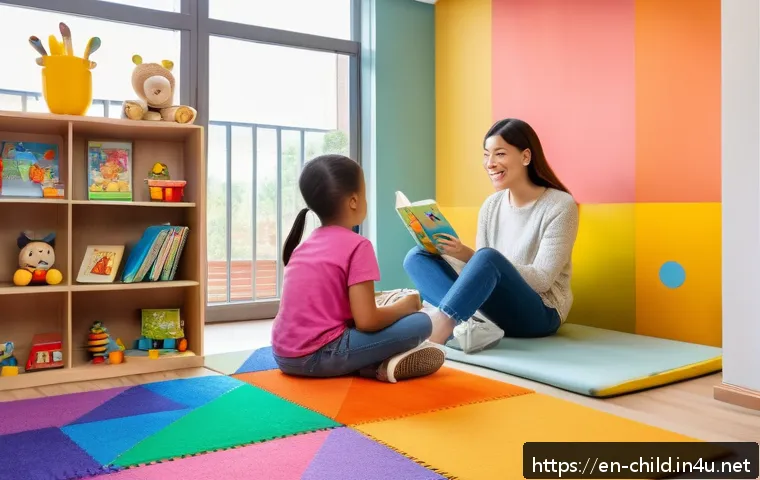
You know, sometimes as adults, we forget how hard it is for little ones to articulate what’s bubbling up inside. We expect them to use the same sophisticated language we do, but their emotional vocabulary is often still under construction. I’ve seen countless times in my experience where a child isn’t being “naughty” or “defiant,” but rather they’re experiencing a profound internal struggle they simply don’t have the words for. It’s a bit like trying to solve a complex puzzle without all the pieces, and it can be incredibly frustrating for both the child and the parent. This is where the magic truly begins in child counseling. It’s not about fixing a broken child – it’s about giving them the tools and the safe space to express those difficult emotions, fears, and worries in a way that makes sense to them, and in turn, helps us understand them better. I’ve personally witnessed the immense relief on a child’s face when they finally feel seen and heard, not through words necessarily, but through actions, play, or art. It’s a powerful transformation that sets the stage for real healing and growth, allowing their true selves to emerge from under the weight of unspoken burdens.
Decoding Non-Verbal Cues and Play Therapy
One of the most fascinating aspects of working with children, and something I deeply appreciate, is how much they communicate without uttering a single word. Their bodies, their drawings, their play – these are their primary languages. Think about it: a child who consistently draws dark, stormy pictures might be expressing anxiety that they can’t verbalize. Or the child who acts out aggressive scenarios with dolls might be grappling with feelings of anger or powerlessness in their own lives. This is where play therapy truly shines as an incredible tool. It’s not just kids playing; it’s a carefully structured therapeutic approach that allows children to explore their world, process emotions, and resolve conflicts in a way that feels natural and safe for them. From my own observations, when a child is engaged in play, their guard drops, and their inner world becomes accessible. They might reenact a scary situation, or create a fantasy world where they are in control, subtly revealing their deepest fears and desires. As the counselor, my role is to observe, understand, and gently guide them through this process, helping them make sense of their experiences and develop healthier coping mechanisms. It’s a privilege to witness this unfolding and help them translate these unspoken messages into actionable steps for well-being.
Navigating the World of Big Feelings
Oh, those “big feelings”! Every parent has been there, right? The sudden meltdown over a misplaced toy, the uncontrollable anger after a perceived injustice, or the overwhelming sadness that seems to come out of nowhere. For a child, these emotions can feel enormous, all-consuming, and utterly terrifying. They don’t have the adult brain’s capacity for self-regulation or perspective-taking yet. What might seem trivial to us can be a monumental crisis for them. I’ve found that validating these feelings, no matter how irrational they may seem, is the crucial first step. Telling a child “don’t be sad” or “there’s nothing to be angry about” only teaches them to suppress their emotions, which, as we know, can lead to much bigger problems down the line. In counseling, we work on identifying these big feelings, giving them names, and developing healthy ways to express them. This isn’t about eliminating sadness or anger; it’s about understanding that it’s okay to feel them, and then learning constructive ways to cope. I’ve often seen children light up when they learn a simple breathing exercise or discover that drawing their anger makes it feel less overwhelming. These small breakthroughs accumulate, building an emotional resilience that serves them well for years to come. It’s truly about empowering them to become the masters of their emotional landscape, rather than being overwhelmed by it.
Building Bridges: Strengthening Family Connections
When a child is struggling, it’s rarely an isolated incident affecting just them. It ripples outwards, touching every member of the family unit. I’ve heard countless parents express feelings of helplessness, frustration, or guilt, wondering if they’re doing something wrong. It’s so important for families to understand that child counseling isn’t just about the child; it’s often about strengthening the entire family system. Think of it like a delicate eco
The Role of Parental Involvement in Counseling
You know, it’s a common misconception that child counseling means dropping your child off and waiting for them to be “fixed.” From my extensive experience, I can tell you that nothing could be further from the truth. Parental involvement is not just beneficial; it’s absolutely critical for lasting success. Parents are the experts on their own children, and their insights are invaluable. Moreover, they are the primary agents of change in a child’s environment. While a child might learn amazing coping strategies in a session, those skills need to be reinforced and practiced at home. This often means parents learning new ways to communicate, setting consistent boundaries, or simply understanding their child’s unique temperament better. I’ve seen situations where even small shifts in parental responses can lead to significant improvements in a child’s behavior and emotional well-being. It’s about creating a partnership, where the counselor provides the professional guidance, and the parents become the informed, empowered champions of their child’s growth. This collaborative effort transforms the family dynamic and ensures that the therapeutic gains extend far beyond the counseling room into everyday life.
Effective Communication Strategies for Home
Communication, or the lack thereof, is often at the heart of family struggles. It’s not just about what we say, but how we say it, and just as importantly, how we listen. I’ve worked with so many families who, despite loving each other deeply, find themselves locked in cycles of misunderstanding and frustration. Imagine a child trying to explain a complex feeling, only to be met with a distracted parent, or a parent attempting to enforce a rule, only to be met with defiance because the child doesn’t feel heard. In counseling, a significant focus is placed on equipping families with practical, effective communication strategies. This can range from active listening techniques, where parents truly pause and absorb what their child is saying (or trying to say), to “I” statements that help everyone express their needs and feelings without blame. We also explore the importance of setting aside dedicated “talk time,” free from screens and distractions, to truly connect. I personally advocate for these simple yet profound shifts because I’ve witnessed them transform homes from battlegrounds into spaces of understanding and mutual respect. It truly builds a foundation of trust and openness that is essential for a child’s emotional security and overall happiness.
Tackling Modern Challenges: From Screens to Social Pressures
Let’s be real: growing up today is fundamentally different from when most of us were kids. The landscape has shifted dramatically, presenting children with a unique set of challenges that can feel overwhelming for them, and often, for us as parents too. Gone are the days when peer pressure was confined to the schoolyard; now, it follows kids home in their pockets, constantly. The digital world, while offering incredible opportunities, also presents a minefield of potential pitfalls, from cyberbullying to addictive behaviors and distorted self-image. I’ve had many conversations with kids who describe feeling a constant pressure to perform, to curate a perfect online persona, or to keep up with trends that change at lightning speed. These pressures can silently chip away at their self-esteem and contribute to anxiety and depression. Child counseling has evolved significantly to address these modern-day stressors, offering strategies not just for the children but for parents navigating this new frontier. It’s about equipping them with the mental resilience to thrive in this complex world, helping them differentiate between their authentic selves and the curated versions they encounter online, and teaching them how to build genuine connections in an increasingly digital space.
Addressing Digital Well-being and Cyberbullying
Oh, the digital world! It’s a double-edged sword, isn’t it? On one hand, it connects us and offers endless educational opportunities. On the other, it can be a source of immense stress and anxiety for children. Cyberbullying, in particular, is a cruel and pervasive issue that leaves lasting scars. Unlike traditional bullying, it can be relentless, following a child into the supposed safety of their own home, often anonymous and hard to escape. I’ve worked with children who were absolutely devastated by online harassment, feeling isolated, ashamed, and powerless. A crucial part of counseling in this modern era involves helping children understand digital citizenship, how to protect themselves online, and most importantly, what to do if they become a target. We talk about building a strong sense of self-worth that isn’t dependent on likes or followers, and how to discern trustworthy information from harmful content. For parents, it often involves setting healthy screen time boundaries, monitoring online activity (with appropriate balance for privacy), and fostering open communication so children feel safe disclosing cyber issues. It’s a dynamic and ever-evolving area, but equipping kids with a critical eye and a resilient spirit is paramount to their digital well-being.
Coping with Academic Stress and Peer Dynamics
The pressure cooker that is modern education can sometimes feel overwhelming for kids. From demanding curricula and standardized tests to the ever-present competition for grades and future opportunities, academic stress is a very real and often debilitating factor. Add to that the intricate and often turbulent world of peer dynamics – friendships that shift, social hierarchies, and the inherent desire to fit in – and you have a recipe for significant anxiety. I’ve encountered so many bright, capable children who are paralyzed by perfectionism or consumed by the fear of failure, leading to panic attacks, school refusal, or extreme withdrawal. Counseling provides a safe space for them to unpack these pressures, develop healthier study habits, and learn effective stress management techniques. More importantly, we also focus on navigating peer relationships. This includes everything from conflict resolution skills and standing up to peer pressure, to understanding healthy boundaries and fostering genuine friendships. My goal is always to help children find their voice, assert themselves kindly but firmly, and build a supportive social network that allows them to thrive both academically and socially, transforming daunting challenges into opportunities for personal growth.
Beyond the Session: Integrating Skills into Daily Life
Okay, so your child has had some fantastic breakthroughs in their counseling sessions. They’re articulating feelings, understanding triggers, and perhaps even showing a more regulated demeanor. That’s brilliant! But here’s the thing I always emphasize: the real work begins when they step out of that therapy room and back into the hustle and bustle of everyday life. Counseling isn’t a magic wand; it’s a toolbox. The true test, and the path to lasting change, is how well those newly acquired tools are integrated into their daily routines, interactions, and challenges. It’s one thing to talk about coping mechanisms in a safe, controlled environment, but it’s entirely another to apply them when a sibling snatches a toy or a test doesn’t go as planned. This integration phase is where parents become incredibly important, acting as coaches and cheerleaders, gently reminding and encouraging their child to utilize the strategies they’ve learned. I often provide families with practical “homework” – simple exercises or conversation starters – to bridge the gap between sessions and real-world application, ensuring that the progress made is not just temporary but becomes a natural, intrinsic part of their child’s emotional toolkit.
Practical Tools for Emotional Regulation
Emotional regulation is a superpower, truly. And it’s a skill, not something kids are just born with. Just like learning to ride a bike, it takes practice, patience, and the right guidance. In my sessions, a huge focus is placed on teaching children tangible, easy-to-use tools they can deploy when those overwhelming emotions start to creep in. We’re talking about simple yet incredibly effective strategies like “belly breathing” or “counting to ten” – techniques that help reset the nervous system. We might create a “calm down corner” at home, filled with sensory items like fidget toys, weighted blankets, or even a jar of glitter glue that they can shake and watch settle as their own emotions do the same. I’ve also found immense success with emotion scales, helping children identify the intensity of their feelings, and then matching an appropriate coping strategy to that intensity. These aren’t abstract concepts; they are concrete, actionable steps that empower children to gain a sense of control over their internal world. It’s truly amazing to see a child who once melted down instantly now take a deep breath and articulate “I’m feeling a 7 on the anger scale, and I need to go to my calm-down corner.” That’s real progress right there.
Fostering Resilience and Self-Esteem

Resilience – that incredible ability to bounce back from adversity – is perhaps one of the greatest gifts we can help our children develop. It’s not about shielding them from every bump in the road, but rather equipping them with the internal strength to navigate those bumps themselves. And hand-in-hand with resilience is self-esteem, that deep-seated belief in one’s own worth and capabilities. I’ve found that counseling provides a unique opportunity to cultivate both. By successfully navigating challenges within the therapeutic space, and then applying those learnings to real-life situations, children build a robust sense of self-efficacy. Every small victory, every successful application of a new coping skill, chips away at self-doubt and replaces it with a growing confidence. We also focus on identifying and celebrating their unique strengths, helping them understand that their individual qualities are what make them special. It’s about shifting their internal narrative from “I can’t” to “I can try” or “I can learn.” Witnessing a child’s self-esteem blossom, seeing them stand a little taller, speak a little clearer, and approach challenges with a newfound courage, is one of the most rewarding aspects of this work.
Here’s a quick overview of some common tools and their benefits:
| Tool/Strategy | Description | Key Benefits for Children |
|---|---|---|
| Deep Breathing Exercises | Guided breathing techniques (e.g., “belly breathing,” “five-finger breathing”) to slow heart rate and calm the nervous system. | Reduces anxiety, improves focus, fosters self-regulation, immediate calming effect. |
| Emotion Identification Charts | Visual aids (e.g., feeling charts, emotion scales) to help children name and understand their feelings. | Expands emotional vocabulary, validates feelings, aids communication, builds self-awareness. |
| Calm-Down Kits/Corners | Designated spaces or boxes with soothing items like fidget toys, weighted objects, or drawing supplies. | Provides a safe space for decompression, encourages independent coping, offers sensory input for regulation. |
| Mindfulness Practices | Simple exercises focusing on the present moment, such as mindful eating or guided imagery. | Enhances awareness, reduces rumination, improves attention span, promotes peace. |
| Problem-Solving Steps | Structured approach to breaking down problems, brainstorming solutions, and choosing the best course of action. | Develops critical thinking, reduces helplessness, fosters independence, builds resilience. |
Finding the Right Fit: What to Look for in a Child Counselor
Choosing a child counselor can feel like a daunting task, can’t it? There are so many factors to consider, and you want to ensure you’re placing your child’s well-being in the right hands. It’s not a one-size-fits-all situation, and what works beautifully for one child might not resonate with another. I always advise parents to approach this decision with careful consideration, almost like you’re interviewing for a crucial role in your child’s support system. You’re looking for someone who not only has the right credentials and expertise but also possesses that intangible quality of connecting with children and making them feel safe and understood. Trust your gut feeling too; if something doesn’t feel right after an initial consultation, it’s perfectly okay to explore other options. The therapeutic relationship, often called rapport, is paramount, especially with children. They need to feel comfortable, respected, and genuinely cared for by their counselor. It’s a journey, and finding the right guide makes all the difference in ensuring that journey is productive and leads to positive, lasting change for your child and your family.
Qualifications and Therapeutic Approaches
When you’re looking for a child counselor, it’s essential to understand the different qualifications and therapeutic approaches available. You’ll typically encounter licensed professional counselors (LPCs), licensed marriage and family therapists (LMFTs), licensed clinical social workers (LCSWs), or psychologists (Ph.D. or Psy.D.). Each has a slightly different educational background and focus, but all are trained to work with children. Beyond the licensure, consider their specific training in child development and various therapeutic modalities. Are they experienced in play therapy, which is often ideal for younger children? Do they use Cognitive Behavioral Therapy (CBT) for anxiety, or Dialectical Behavior Therapy (DBT) skills for emotional regulation in older kids? Perhaps a family systems approach is more suited if family dynamics are a primary concern. From my perspective, a good counselor will be transparent about their methods and be able to explain how their chosen approach aligns with your child’s specific needs. Don’t be afraid to ask about their experience with challenges similar to your child’s or how they involve parents in the process. A truly effective therapist will be able to tailor their approach, adapting to the unique personality and situation of each child they work with.
Making the Most of Your Counseling Journey
Once you’ve found the right counselor, the real work of the counseling journey begins. And believe me, it is a journey, not a quick fix. To maximize its effectiveness, there are several things parents can do. Firstly, consistency is key. Regular attendance at sessions helps build momentum and reinforce learned skills. Secondly, maintain open communication with the counselor. Share observations from home, any challenges that arise, and celebrate small victories. This feedback loop is invaluable for the therapist to adjust their approach as needed. Thirdly, be patient. Change, especially emotional and behavioral change, takes time. There will be good days and challenging days, and that’s perfectly normal. Fourthly, actively participate in any parent sessions or recommended family activities. Your engagement signals to your child that you are invested in their well-being and are a partner in their growth. From what I’ve witnessed, families who are fully engaged in the process tend to see the most profound and lasting positive outcomes. Embrace the process, trust the expertise, and remember that you are giving your child an incredible gift – the tools for lifelong emotional health and resilience.
The Long-Term Ripple Effect: Transforming Futures
It’s easy to focus on the immediate changes we hope to see when a child begins counseling – less anxiety, fewer meltdowns, better communication. And while those immediate shifts are incredibly rewarding, I always encourage families to look beyond the short-term. The true power of child counseling lies in its long-term ripple effect, its ability to transform not just the present, but the entire trajectory of a child’s future. The skills learned in therapy – emotional intelligence, resilience, self-advocacy, problem-solving – are not just for overcoming a current hurdle. They are foundational life skills that equip children to navigate adolescence, young adulthood, and all the complexities that come with it. I’ve had the privilege of seeing children I worked with years ago grow into confident, emotionally intelligent teenagers and young adults, often attributing their current well-being to the early interventions they received. It’s an investment in their mental health portfolio that pays dividends for a lifetime, helping them build healthier relationships, pursue their passions with greater confidence, and face life’s inevitable challenges with a sturdy emotional toolkit.
Witnessing Lasting Positive Change
There’s nothing quite as satisfying as witnessing a child’s lasting transformation after counseling. It’s not just about a temporary cessation of symptoms, but a fundamental shift in their internal operating system. I recall a young girl, let’s call her Sarah, who came in with debilitating social anxiety, barely able to speak above a whisper. Through play therapy and gentle CBT techniques, we worked on identifying her fears, challenging negative thought patterns, and practicing social interactions in a safe space. Slowly, her voice emerged, both literally and figuratively. Years later, I heard she was thriving in high school, actively participating in debate club, and had a wonderful group of friends. That’s the lasting positive change we aim for – not just coping, but genuinely flourishing. These experiences underscore the profound impact early intervention and consistent support can have. It’s about building a strong internal compass that guides them through life, helping them navigate new experiences, setbacks, and triumphs with a sense of agency and emotional intelligence. This deeply embedded resilience becomes a cornerstone of their personality, allowing them to adapt and thrive long after therapy concludes.
A Parent’s Evolving Role in Support
As children grow and evolve through their counseling journey, so too does the parent’s role in their support system. Initially, you might be very hands-on, deeply involved in every aspect of their therapeutic process, learning alongside them. But as they gain independence and master new skills, your role naturally shifts from active coach to supportive guide and cheerleader. It’s about recognizing their growing autonomy and trusting the tools they’ve acquired. This doesn’t mean you step back entirely; rather, your support becomes more about creating an environment where those skills can continue to flourish. This might involve maintaining open lines of communication, offering a listening ear without immediately jumping to solutions, or simply being a stable, loving presence as they navigate the inevitable ups and downs of life. I’ve seen parents beautifully adapt to this evolving dynamic, moving from problem-solvers to empowerment facilitators. It’s a testament to their love and commitment, fostering a relationship built on mutual respect and trust, which ultimately strengthens the entire family unit and ensures their child continues to thrive independently, knowing they always have a safe harbor to return to.
Closing Thoughts
As we’ve explored the incredible journey of child counseling, I truly hope you’ve gained a deeper understanding of its profound impact. It’s more than just addressing a current challenge; it’s about laying a robust foundation for a child’s entire life. Through my years of working with families, I’ve seen firsthand how giving children the language and tools to understand their inner world can unlock their potential and lead to breathtaking transformations. It’s a privilege to witness a child, once overwhelmed by unspoken burdens, begin to articulate their feelings, build resilience, and ultimately, discover the strength within themselves. Remember, every step you take to support your child’s emotional well-being is an investment that will pay dividends for years to come, shaping them into confident, emotionally intelligent individuals ready to face the world.
Useful Information to Know
1. It’s absolutely okay, and often incredibly beneficial, to seek professional support for your child’s emotional well-being. Many parents feel a sense of guilt or failure when considering counseling, but from my experience, it’s one of the most proactive and loving steps you can take. Think of it like taking them to a specialist for a physical ailment; emotional health deserves the same expert attention. Early intervention can make a monumental difference, preventing small struggles from escalating into larger, more complex issues down the line. We often see children blossom when they realize they have a dedicated, neutral space to process their feelings and learn new coping skills, and this can dramatically reduce stress for the entire family. Trust your instincts as a parent, and know that reaching out for help is a sign of strength, not weakness, ultimately creating a more harmonious and understanding home environment for everyone involved.
2. Communication is a two-way street, and with children, it often goes far beyond spoken words. I’ve noticed that kids are constantly communicating through their behaviors, their play, their drawings, and even their silences. As parents, learning to “read between the lines” and paying close attention to these non-verbal cues can provide invaluable insights into their inner world. Sometimes, a sudden change in eating habits, sleep patterns, or increased irritability can be a child’s way of expressing anxiety or distress they can’t vocalize. Try to create consistent opportunities for open-ended conversations, where you’re truly listening without judgment, rather than immediately offering solutions. Simply acknowledging their feelings with empathy – “I can see you’re feeling really frustrated right now” – can make a huge difference, making them feel seen, heard, and understood, which is the cornerstone of healthy emotional development and builds incredible trust.
3. Setting healthy digital boundaries isn’t about punishment; it’s about protection and promoting balanced development in a screen-saturated world. In today’s landscape, where children are exposed to so much online content and social pressure, establishing clear guidelines around screen time, content, and online interactions is more crucial than ever. I’ve personally observed that unchecked digital habits can significantly impact mood, sleep, focus, and social skills. Work with your child to create a family media plan, discussing *why* these boundaries are important for their brain and well-being, rather than just dictating rules. Encourage offline activities like creative play, reading, outdoor adventures, and face-to-face interactions to counterbalance digital engagement. Remember, you’re guiding them to be mindful digital citizens, capable of discerning healthy online habits, and equipping them with the resilience to navigate the virtual world safely and responsibly, fostering a healthier overall lifestyle.
4. Cultivating resilience and self-esteem in your child is an ongoing process that yields incredible long-term rewards. It’s not about shielding them from every challenge, but rather giving them the tools and confidence to bounce back from setbacks. From my experience, allowing children to experience and overcome age-appropriate challenges, even if they stumble, teaches them invaluable lessons about their own capabilities. Celebrate their efforts and progress, not just perfect outcomes, to foster a growth mindset. Encourage them to try new things, even if they’re a little scary, and reassure them that mistakes are opportunities for learning. When they share a success, ask them how they achieved it; when they face a difficulty, explore solutions together. These practices build an internal sense of worth and agency, empowering them to believe in themselves and their ability to navigate life’s inevitable ups and downs with courage and a strong sense of self.
5. As a parent, remember that your own well-being is intrinsically linked to your child’s. It’s impossible to pour from an empty cup, and the emotional demands of parenting, especially when a child is struggling, can be immense. I often remind parents that taking time for self-care isn’t selfish; it’s essential for your entire family’s health. This might mean carving out small moments for yourself each day, whether it’s a quiet cup of coffee, a short walk, or connecting with a supportive friend. Don’t hesitate to seek your own support, whether it’s through a parenting group, a trusted confidant, or even your own therapist. When you prioritize your mental and emotional health, you model healthy coping strategies for your children and create a more stable, nurturing environment for them to thrive. Your resilience and well-being are powerful assets in your child’s journey.
Key Takeaways
What I hope you take away from this conversation is that understanding and supporting a child’s emotional landscape is a continuous, incredibly rewarding journey. It’s about more than just managing behavior; it’s about delving into the unspoken language of their hearts and minds. From my years in this field, I’ve seen how powerful it is to equip children with the tools to navigate their big feelings, to foster strong family connections through better communication, and to help them confidently tackle the unique pressures of the modern world. Remember, investing in their emotional health now through avenues like child counseling and consistent parental support isn’t just a temporary fix; it’s a profound investment in their future, setting them on a path toward lifelong resilience, self-esteem, and genuine happiness. Your dedication makes all the difference, and witnessing their growth truly is one of life’s greatest privileges.
Frequently Asked Questions (FAQ) 📖
Q: My child seems “off,” withdrawn, or maybe even acting out more than usual. How can I really tell if it’s just a normal kid phase or if they genuinely need professional counseling?
A: Oh, this is such a common and heartbreaking question, and honestly, it’s one every parent grapples with. We all want to believe our kids are just going through a temporary rough patch, right?
From my vantage point, having walked alongside so many families, the key isn’t necessarily one single “red flag” but rather a pattern of changes, especially if they’re persistent or intense.
I’ve seen countless times how a child’s behavior is often their language when they can’t articulate what’s going on inside. If you’re noticing significant shifts that last more than a few weeks – maybe they’re suddenly struggling academically when they never did before, or they’ve lost interest in activities they once loved, or perhaps their sleep or eating patterns have dramatically changed – these are often pretty clear indicators that something deeper is at play.
Another big one is emotional intensity; if their anger seems explosive, their sadness inconsolable, or their anxiety is making daily life a struggle, that’s definitely a sign to explore further.
And don’t forget physical symptoms without a medical cause, like frequent headaches or stomach aches. Trust your gut, too. If that persistent little voice inside you is whispering, “something isn’t right,” it’s probably worth listening to.
It’s never about blaming yourself; it’s about being proactive and giving your child the tools they need to thrive.
Q: So, what does child counseling actually look like? Is it just a child sitting on a couch talking about their feelings, or is there more to it than that?
A: That’s a fantastic question, and honestly, the “talking on a couch” image from adult therapy couldn’t be further from the reality of child counseling!
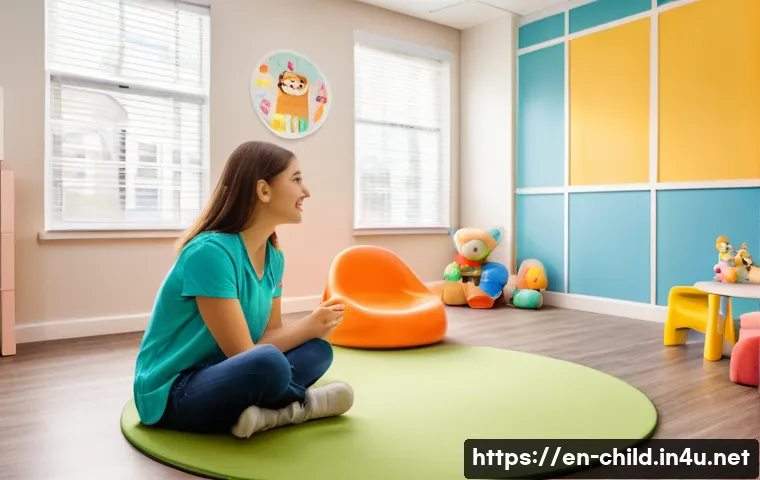
Kids, especially younger ones, communicate and process their world through play, art, and storytelling. It’s incredibly fascinating to watch. What I’ve seen work wonders is creating a space that feels less like a doctor’s office and more like a safe, creative haven.
For a younger child, a session might involve building a miniature world with sandtray figures to express family dynamics, or using puppets to act out difficult emotions.
With older children and pre-teens, it could involve therapeutic games that subtly encourage problem-solving or discussions about social situations, drawing, or even journaling.
The goal isn’t just to “talk” but to help them identify, understand, and then express their feelings in healthy ways. A skilled child therapist becomes a compassionate guide, interpreting these non-verbal cues and helping the child build resilience and coping strategies.
It’s a dynamic, engaging process that really empowers kids to find their voice, even when words feel too hard. Trust me, it’s much more engaging and effective than any adult therapy session I’ve ever heard of!
Q: I’m hesitant about starting counseling because I worry about the stigma and also the commitment. How long does child counseling typically last, and what are the realistic expectations for my child’s progress?
A: I totally get that hesitation. The stigma surrounding mental health support, even for children, is something many parents worry about, and it’s a valid concern.
But honestly, seeking support for your child is a sign of incredible strength, not weakness. As for the commitment and duration, that’s a big “it depends” question because every child’s journey is unique.
I’ve seen some children make significant progress in a relatively short period, say 8-12 sessions, especially when addressing a specific, recent challenge like a loss or a transition.
For others, particularly those dealing with more deeply rooted issues, trauma, or ongoing developmental challenges, it might be a longer-term process, perhaps several months or even a year or more, with sessions tapering off as they progress.
The key is consistency and open communication with the therapist. Realistic expectations are also crucial. Counseling isn’t a magic wand; it’s a process.
You might see small shifts at first – maybe a slight reduction in outbursts, or a child starting to share a little more. Over time, what I’ve consistently observed are improvements in emotional regulation, communication skills, self-esteem, and their ability to navigate challenges.
It’s about equipping them with a toolkit for life, not just fixing a single problem. The true measure of success isn’t just the absence of issues, but the presence of greater well-being and resilience.
And often, you’ll notice a positive ripple effect throughout the whole family!